

The cultural significance of casinos in modern society
The cultural significance of casinos in modern society
The Role of Casinos in Entertainment
Casinos have evolved into multifaceted entertainment hubs that attract millions of visitors each year. Beyond gambling, they offer a wide range of activities such as live performances, fine dining, and online casinos shopping experiences. This blend of entertainment options makes casinos appealing to diverse audiences, allowing them to cater to families, couples, and solo travelers. As a result, casinos are not just places to gamble; they have become vibrant social environments where people come together to relax and enjoy themselves.

The evolution of casinos into entertainment complexes has redefined their cultural significance. They now serve as venues for major events, including concerts, sports tournaments, and festivals, further establishing their role in modern culture. This shift in purpose has helped normalize the concept of gambling as a form of entertainment rather than a mere vice, making it more socially acceptable across various demographics.
Casinos as Economic Drivers
Casinos play a crucial role in the economic landscape of many regions. They create jobs, generate tax revenue, and stimulate local businesses. The influx of visitors to casino destinations often leads to increased spending in surrounding areas, benefiting hotels, restaurants, and retail shops. This economic activity can be particularly vital in regions where traditional industries have declined.
Furthermore, the tourism generated by casinos often prompts governments to invest in infrastructure improvements, benefiting both residents and visitors. This symbiotic relationship between casinos and local economies illustrates their importance in fostering growth and sustainability in many communities.
Cultural Reflections in Casino Design
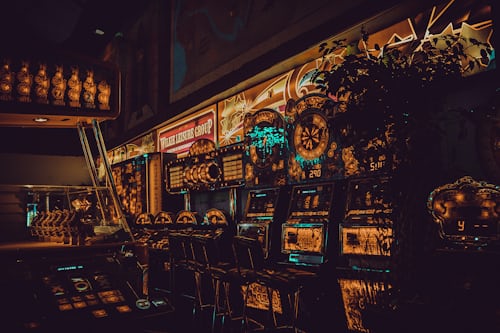
The architecture and design of casinos often reflect cultural values and influences. From opulent interiors resembling palaces to themed environments that transport visitors to different worlds, casinos are crafted to evoke emotions and immerse guests in unique experiences. This attention to design serves not only to attract customers but also to create a cultural narrative that resonates with visitors.
Additonally, the cultural significance of casinos can be seen in their role in shaping social interactions. The environment encourages a blend of chance and camaraderie, allowing individuals to forge connections over shared experiences. This dynamic is evident in the way games are played and enjoyed, emphasizing the social aspect of gambling.
The Social Perception of Gambling
In modern society, gambling carries various social perceptions that can differ significantly across cultures. While some view casinos as centers of entertainment and socialization, others associate them with addiction and moral decay. This dichotomy has sparked ongoing debates about the regulation of gambling and its implications for society.
Despite these differing views, the growing acceptance of casinos in mainstream culture indicates a shift in attitudes toward gambling. Many now see it as a legitimate leisure activity, akin to attending a sporting event or a concert. This evolution reflects broader cultural trends toward individual freedom and personal choice, allowing individuals to engage with casinos on their terms.
Exploring the Online Casino Culture
The advent of online casinos has transformed the landscape of gambling, further intertwining it with modern society. The convenience of playing from home has expanded access to gambling, creating a new demographic of players who may never set foot in a physical casino. This digital shift has significant cultural implications, as it allows for more personalized gaming experiences and the development of online communities.
Additionally, the rise of online casinos has raised new discussions about responsible gaming and regulation. As players navigate this virtual space, the need for protection against potential issues has become a priority for both operators and regulators. This evolving dialogue highlights the necessity of balancing innovation with social responsibility in the gambling industry.
